













rad popa
Tenant Law - Tenant rights and obligations in 2026
The Tenant Law represents the set of legal regulations that govern the relationship between the owner of a dwelling and the person who rents it, establishing the rights and obligations of both parties. The main legal framework is formed by the Housing Law no. 114/1996 and the Romanian Civil Code, in particular Article 1796, which regulates lease contracts for residential premises.
The rental of housing is based on the agreement between the owner and the tenant, recorded in a mandatory written contract. According to the legislation in force, the contract must be registered with the territorial tax authorities within 30 days of signing. Failure to register the contract attracts fines between 500 and 1.000 lei, sanctions that target the owners.
The rental agreement must include essential elements for the legal protection of both parties:
- Address of the property being rented
- Living area and facilities used exclusively and in common
- Area of courtyards and gardens used exclusively or jointly
- The amount of the monthly rent, the rules for changing it and the method of payment
- Amount paid in advance on rent account
- The place and conditions in which the receipt and return of keys are carried out
- Obligations of the parties regarding the use and maintenance of the premises
- Inventory of objects and related equipment
- Effective date and duration of the contract
- Conditions regarding exclusive and joint use of co-owned parts
- People who will live with the contract holder
- Other clauses agreed between the parties
The legislation establishes the null and void clauses in rental contracts, thus protecting the tenant against abusive practices. Clauses that oblige the tenant to pay in advance for repairs to the landlord, those that provide for collective liability for degradation, those that impose mandatory damage insurance, those that exempt the landlord from legal obligations or that allow the landlord to obtain income from non-compliance with contractual clauses are considered invalid.
The absence of a written and registered contract exposes the tenant to significant risks, including lack of legal protection in the event of disputes or eviction without notice.
What are the tenant's rights?

The Romanian Civil Code guarantees tenants a series of fundamental rights that ensure legal protection and proper use of the rented home.
The right to privacy and quiet enjoyment
The tenant has the right to privacy and quiet use of the home, one of the fundamental rights established by law. The landlord cannot enter the home without the tenant's permission, and unannounced visits constitute a violation of this right. Contracts must clearly state the landlord's access conditions, for example with at least 24 hours' notice. Free or unclear access without real limits is likely to be considered an unfair clause.
The right to decent living conditions
The owner undertakes to maintain the property in a suitable condition for use throughout the duration of the lease and to ensure the peaceful and useful use of the property throughout the lease. The tenant has the right to compensation for damages caused by apparent defects that affect life, health or bodily integrity. If the owner does not remedy the situation, the tenant may request a proportional reduction in the rent.
The right to receive housing in good condition
The rented property must be handed over in a condition suitable for use, even in the absence of an express stipulation. The owner guarantees against all defects that prevent or reduce the use of the property, even if he was not aware of them at the conclusion of the contract. If the defects are so serious that the tenant would not have taken the property on lease, he has the right to terminate the lease.
The right to sublease
The tenant may sublet the dwelling only with the written consent of the landlord and under the conditions established by the owner, unless prohibited by the rental agreement. The subtenant is jointly and severally liable with the tenant for the obligations assumed towards the landlord.
The right to bring other people into the property
The tenant has the right to receive guests without prior notification to the owner. In addition, the tenant can live with other people in the home, provided that they are included in the rental agreement.
Real estate ads recommended by STARTIMOB
EUR 79,999
New offer
exclusiveness
0% commission
EUR 51,999
New offer
exclusiveness
0% commission
Sacelle
EUR 500
New offer
exclusiveness
50% commission
EUR 124,999
New offer
exclusiveness
0% commission
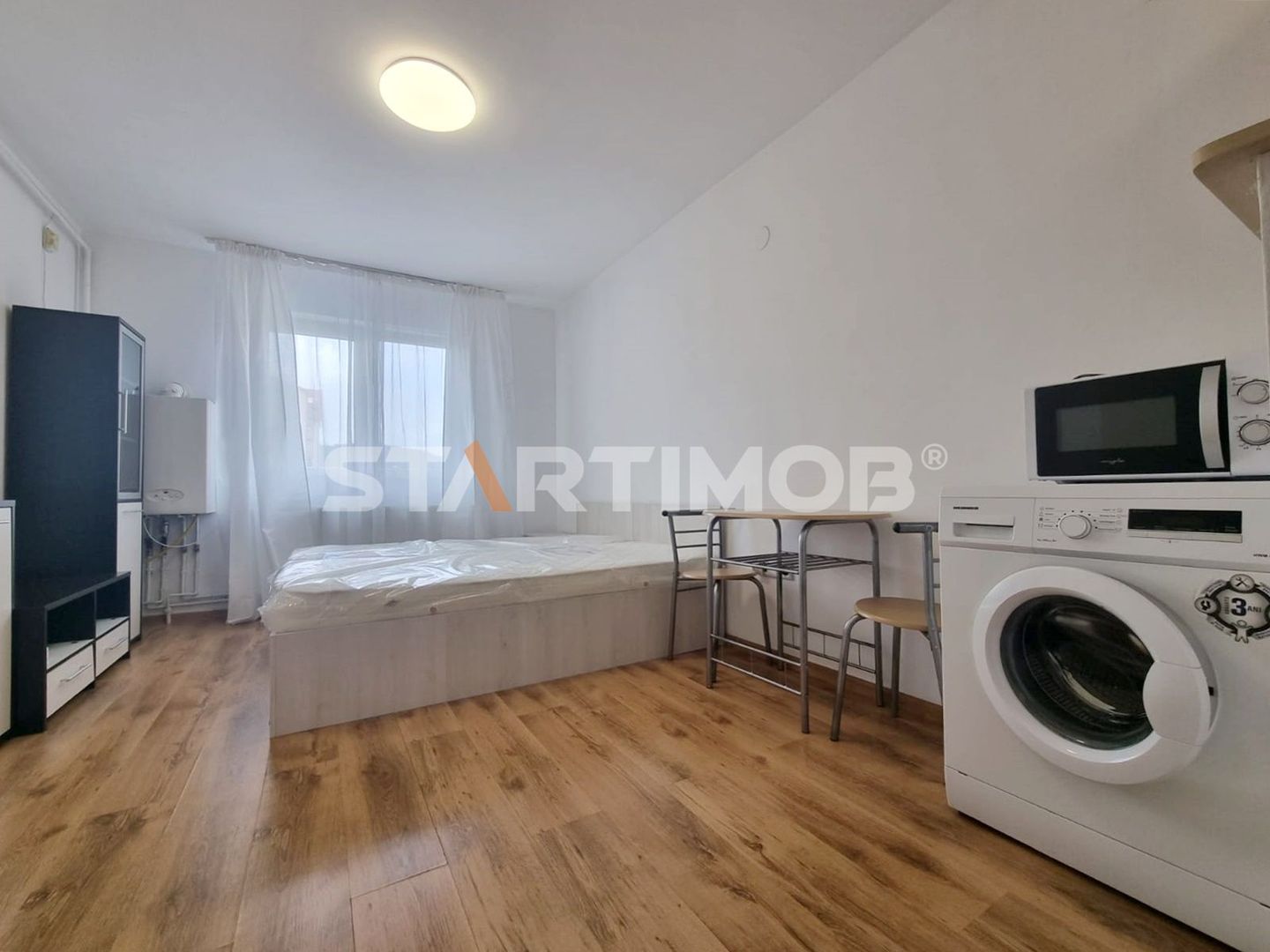
EUR 380
New offer
exclusiveness
50% commission
EUR 84,999
New offer
exclusiveness
0% commission
Brasov
EUR 122,000
New offer
0% commission

EUR 800
New offer
50% commission
What are the tenant's obligations?

Article 1796 of the Civil Code establishes the main obligations of the tenant in the contractual relationship with the landlord.
On-time payment of rent
The payment of rent on the due date set out in the contract is the fundamental obligation of the tenant. In the absence of a contrary stipulation, rent is paid on the first working day of each month for contracts with a duration of more than one month but less than one year. For contracts of at least one year, payment is made on the first working day of each quarter. Delay in payments allows the landlord to initiate procedures for termination of the contract or eviction.
Home maintenance and repair
Routine maintenance repairs are the responsibility of the tenant. These include replacing light bulbs, changing damaged faucet gaskets, or unclogging a sink blocked with food debris. The tenant is responsible for any damage to the rented property during their use, including damage caused by fire, unless they prove that it was accidental. They are also responsible for damage caused by members of their family or a subtenant.
Notification of repairs to the owner
The tenant must immediately notify the landlord of the need to carry out repairs that are his responsibility. If the landlord does not take action within 30 days of the written notification, the tenant may carry out the work at the landlord's expense, withholding the amount from the rent. In addition, he may request interest calculated from the date of the expenses.
Allowing owner visits
According to article 1804 of the Civil Code, the tenant allows the owner to examine the property at reasonable intervals, without causing him undue inconvenience. Visits must be announced at least 24 or 48 hours in advance, preferably by written message. Unjustified refusal may be considered a breach of contractual obligations.
Compliance with contractual clauses
The rental agreement is a binding agreement for both parties. If the property is intended for residential use, the tenant cannot use it for commercial activities without the landlord's consent. He must also comply with any prohibitions on pets or smoking, if they are stipulated in the agreement.
What happens if the landlord wants to evict you?

The termination of the rental contract follows strict procedures established by the Civil Code and Housing Law no. 114/1996, the eviction being carried out exclusively amicably or by court decision.
Situations in which the owner can terminate the contract
According to article 1830 of the Civil Code, the owner may request termination of the contract in the following circumstances:
- Non-payment of rent for at least 3 consecutive months
- Causing significant damage to the home, building or facilities
- Unlawful alienation of parts or assets in the home
- Behavior that makes it impossible to live together with other people in the building or neighborhood
- Breach of any contractual clauses stipulated in the rental document
Legal eviction procedure
The owner notifies the occupant in writing, setting a 5-day deadline for vacating the property. In the absence of voluntary compliance, the application is filed with the court in whose jurisdiction the property is located. The procedure is carried out urgently, through summary hearings. The decision becomes enforceable, implementation being carried out by a bailiff.
Tenant protection against abusive eviction
Eviction is carried out exclusively by irrevocable court decision. The police cannot carry out evictions, forced entry constituting a violation of domicile, a crime punishable by imprisonment from 3 months to 2 years. The period from December 1 to March 1 is protected against evictions, except in special situations

Similar articles

Heir Certificate - What is it, required documents, issuance
What is the heir certificate? The heir certificate is the authentic document issued by the notary public upon completion of the notarial succession procedure, through which...
rad popa

Where can I find the year a property was built?
Where do you find the year of construction of a property you want to buy? The question seems simple, but many Romanians are faced with a frustrating reality: currently there is no platform...
rad popa

When will real estate prices drop? Surprising predictions
When will real estate prices drop is the question everyone is asking now, especially since the number of transactions has decreased by over 20% compared to last year, while...
rad popa

Property Title - What it is, how to obtain it and how to verify it
A property title is an official legal document that certifies the right of a person or group of people to legally own and dispose of a property or land. This...
rad popa

Usable area vs built area - What are they and what is the difference?
What is and what does usable area include? The usable area is the sum of all the usable areas of the rooms in a home. This constitutes the effective livable space...
rad popa

Is it possible to make a succession without a property title?
Can a succession be made without a title deed? This question frequently arises when heirs discover that the original document of the property is missing. Well,...
rad popa
Tenant Law - Tenant rights and obligations in 2026
Tenant law represents the set of legal regulations that govern the relationship between the owner of a home and the person who rents it, establishing the rights and...
rad popa

Maintenance contract - Required documents, notary fees and obligations
The maintenance contract is that contract by which one party undertakes to perform the services for the benefit of the other party or a specific third party...
rad popa

You can no longer buy an apartment if you have debts to the city hall – what is provided by GEO no. 7/2026
The real estate market in Romania is entering a new regulatory stage! Well, they did what our elders and elected officials did and following the entry into force of GEO no. 7/2026...
rad popa

Documents required for selling a house in 2026 - Complete list
Do you know what documents you need to have ready before going to the notary to sell your house? Well, selling a house involves several essential documents that need to be...
rad popa
