













rad popa
What is a sales promise and what you should pay attention to
A promise to sell is a contract by which one party obliges the other to conclude a future sale contract for a specific asset, at a set price. This legal document represents a preliminary contract that guarantees both the seller and the buyer, establishing the conditions of the future real estate transaction.
In essence, the promise to sell does not transfer ownership of the asset, this transfer will only take place at the time of the conclusion of the final contract. According to the Civil Code, the promise must contain all the essential clauses of the promised contract, without which the parties would not be able to perform the obligations assumed.
This tool is particularly useful in real estate transactions, especially when the buyer needs time to obtain financing (mortgage) or to complete legal checks on the property. Also, in real estate projects, the promise to sell benefits developers, ensuring that their projects will be sold, and buyers secure their desired apartments at firm prices.
From a legal perspective, there are two main types of promises:
Unilateral promise to sell - the contract by which a person (the promisor-seller) undertakes to sell a certain good, at a determined price, to the other party (the beneficiary), if the latter wishes to buy it. In this case, only the seller assumes an obligation, the beneficiary having the option to purchase or not the good within the agreed period.
Bilateral promise to sell - the contract by which both parties assume mutual obligations: one to sell, the other to buy a specific good. This form is equivalent to the preliminary contract of sale-purchase.
In case of non-fulfillment of the promise, the beneficiary has the right to damages, within 3 years from the date on which the sale should have been concluded, or may request the issuance of a court decision to replace the contract, within 6 months from the same date, if all other validity conditions are met.
Types of promises and the difference from the preliminary contract

In Romanian law, promises of sale are divided into two main categories, each with distinct characteristics and specific legal effects. These preparatory contractual forms are essential in modern real estate transactions.
The unilateral promise
The unilateral promise to sell is the contract by which a person (the promisor-seller) obliges himself to another person (the beneficiary) to sell him a certain good, at a determined price, within a set period. Although the name may suggest a unilateral legal act, this is actually a contract, since it is concluded by the agreement of the will of both parties. From a legal point of view, only the seller assumes an obligation, while the beneficiary has the option to buy or not the good within the agreed period.
There is also the variant of the unilateral promise to purchase, which represents the commitment of one party to purchase a specific asset, if the owner decides to sell it within a certain period. This form is less common in Romanian practice.
The promisor's obligation is one of performance, it does not transfer ownership of the good, and the risk of accidental loss remains with the promisor, as owner. Upon the expiration of the stipulated term or, in its absence, upon the fulfillment of the general limitation period of 3 years, the promisor's obligation is extinguished.
The bilateral promise
The bilateral (synalagmatic) promise to sell is the contract by which both parties assume mutual obligations: one to sell, the other to buy a specific good. In practice, this is the most common form, being commonly known as "pre-sale-purchase contract".
This contractual form creates obligations for both parties, each of whom can demand the fulfillment of the promise. The reciprocity of the obligations is the reason why it is called "bilateral". Through this promise, the parties "freeze" the clauses of the future sales contract.
As in the case of a unilateral promise, a bilateral promise does not transfer ownership of the asset, which will only be transferred upon the conclusion of the final sales contract. The delivery of the asset is not a natural obligation resulting from the conclusion of a promise.
The difference between a preliminary contract and a sales promise
As for the difference between the notion of "bilateral promise" and that of "pre-contract", it does not exist from a legal point of view. Both terms designate the same legal instrument, being governed by the same legal provisions.
The bilateral promise to sell is equivalent to the preliminary contract of sale and purchase, and either of these terms can be used for the notarial deed by which the owner undertakes to sell the property in the future, at the price and date established. What really matters is not the title of the document, but its clauses and the legal effects they produce.
Thus, regardless of the name, it is important that the document contains the essential elements: precise identification of the object of sale, the agreed price, the deadline by which the final contract must be concluded and any other elements considered essential by the parties.
Real estate ads recommended by STARTIMOB
EUR 79,999
New offer
exclusiveness
0% commission
EUR 51,999
New offer
exclusiveness
0% commission
Sacelle
EUR 500
New offer
exclusiveness
50% commission
EUR 124,999
New offer
exclusiveness
0% commission
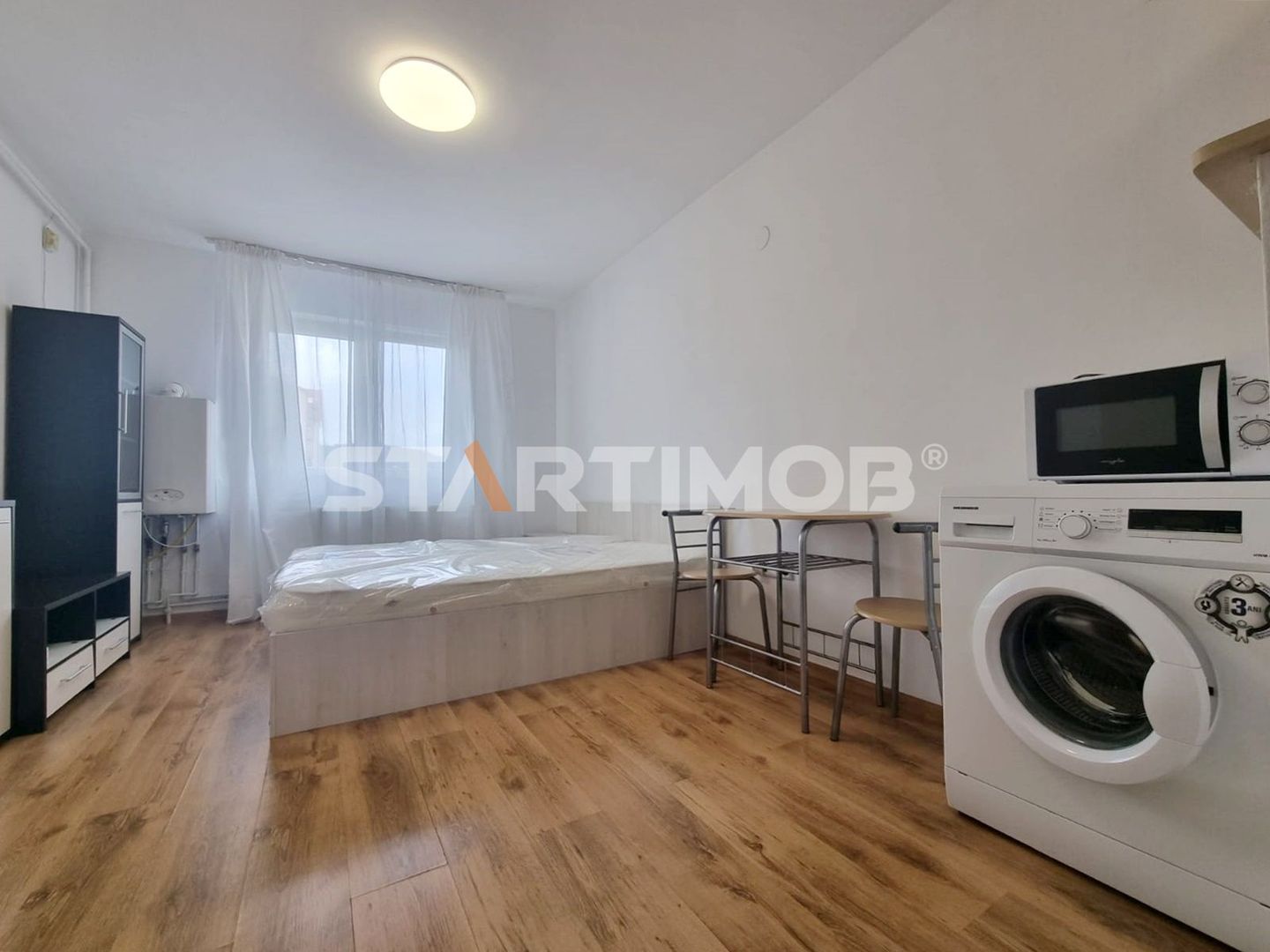
EUR 380
New offer
exclusiveness
50% commission
EUR 84,999
New offer
exclusiveness
0% commission
Brasov
EUR 122,000
New offer
0% commission

EUR 800
New offer
50% commission
What you need to pay attention to when signing a sales promise

Signing a promise to sell requires special attention to avoid legal and financial complications. This document, although it does not transfer ownership, creates important obligations for both parties involved.
Essential clauses that must be included
When drafting a sales promise, certain fundamental clauses must be included: the exact identification of the property according to the property deeds and land registry, the total price and payment currency, the deadline for concluding the final contract, and special conditions such as obtaining credit or releasing the property.
It is also recommended to include a penalty clause for failure to comply with obligations, stipulating the return of the advance plus damages in case of non-performance. The deposit clause with a confirmation or penalty role offers additional protection, guaranteeing the fulfillment of the promise.
Common risks for buyers
The main risks for buyers include the loss of the down payment in case of renunciation of the purchase or non-approval of the financing, the decrease in the market value of the property after signing the promise and the existence of unknown encumbrances on the property.
For protection, it is recommended to verify the legal status of the property by requesting a tax certificate and a land registry extract. Consulting a technical expert before signing can avoid structural problems of the property. Here we have detailed several hidden risks or misleading clauses in the pre-contract.
What happens if one party does not keep the promise?
In the event of a breach of promise, the injured party has two main options. The first is to request a court order to replace the contract, an action that must be filed within 6 months from the date on which the contract should have been concluded.
The second option is to request the termination of the promise and the payment of damages, an action subject to the general 3-year statute of limitations. For these, it is necessary to obtain a notarial deed proving the non-compliance with the promise.
The importance of notary authentication
Although the authentic form is not mandatory for the validity of the promise, it offers significant advantages. The authenticated promise constitutes an enforceable title for the certain, liquid and due claim it establishes, allows for recording in the land register, ensuring protection against the alienation of the asset to third parties and offers the parties clear proof of the will and agreed conditions.
How much does a promise to sell cost and what notary fees apply?
The costs of an authenticated promise of sale include the notary fee, which varies between several hundred lei depending on the value of the property, and the ANCPI fee for noting in the land register of 75 lei/property or 375 lei in an emergency.
As a rule, the fee for authenticating the promise is paid by the promisor-buyer, and the promisor-seller only pays the ANCPI fee for issuing the land registry extract for information, in the amount of 20 lei.
Conclusion
Ultimately, the promise to sell is not a simple "reservation act", but a serious legal commitment, with concrete effects for both parties. Even if it does not immediately transfer ownership, it sets the framework of the transaction, establishes clear obligations and can produce important financial consequences in case of non-performance. That is why each clause must be read carefully, understood and, if necessary, negotiated.
For buyers, the key is to thoroughly verify the legal status of the property, correlate the terms with the financing approval and clarify the conditions regarding the advance payment and possible penalties. For sellers, it is essential to establish realistic terms and guarantees that protect the transaction. Notarization and registration in the land registry add an additional level of security and professionalism to the entire process.
A well-written sales promise means less stress, fewer risks, and a transaction that can be completed without surprises. In real estate, details make the difference, and a clear, complete, and balanced document is the first step to a successful sale.

Similar articles

Heir Certificate - What is it, required documents, issuance
What is the heir certificate? The heir certificate is the authentic document issued by the notary public upon completion of the notarial succession procedure, through which...
rad popa

Where can I find the year a property was built?
Where do you find the year of construction of a property you want to buy? The question seems simple, but many Romanians are faced with a frustrating reality: currently there is no platform...
rad popa

When will real estate prices drop? Surprising predictions
When will real estate prices drop is the question everyone is asking now, especially since the number of transactions has decreased by over 20% compared to last year, while...
rad popa

Property Title - What it is, how to obtain it and how to verify it
A property title is an official legal document that certifies the right of a person or group of people to legally own and dispose of a property or land. This...
rad popa

Usable area vs built area - What are they and what is the difference?
What is and what does usable area include? The usable area is the sum of all the usable areas of the rooms in a home. This constitutes the effective livable space...
rad popa

Is it possible to make a succession without a property title?
Can a succession be made without a title deed? This question frequently arises when heirs discover that the original document of the property is missing. Well,...
rad popa

Tenant Law - Tenant rights and obligations in 2026
Tenant law represents the set of legal regulations that govern the relationship between the owner of a home and the person who rents it, establishing the rights and...
rad popa

Maintenance contract - Required documents, notary fees and obligations
The maintenance contract is that contract by which one party undertakes to perform the services for the benefit of the other party or a specific third party...
rad popa

You can no longer buy an apartment if you have debts to the city hall – what is provided by GEO no. 7/2026
The real estate market in Romania is entering a new regulatory stage! Well, they did what our elders and elected officials did and following the entry into force of GEO no. 7/2026...
rad popa

Documents required for selling a house in 2026 - Complete list
Do you know what documents you need to have ready before going to the notary to sell your house? Well, selling a house involves several essential documents that need to be...
rad popa
